

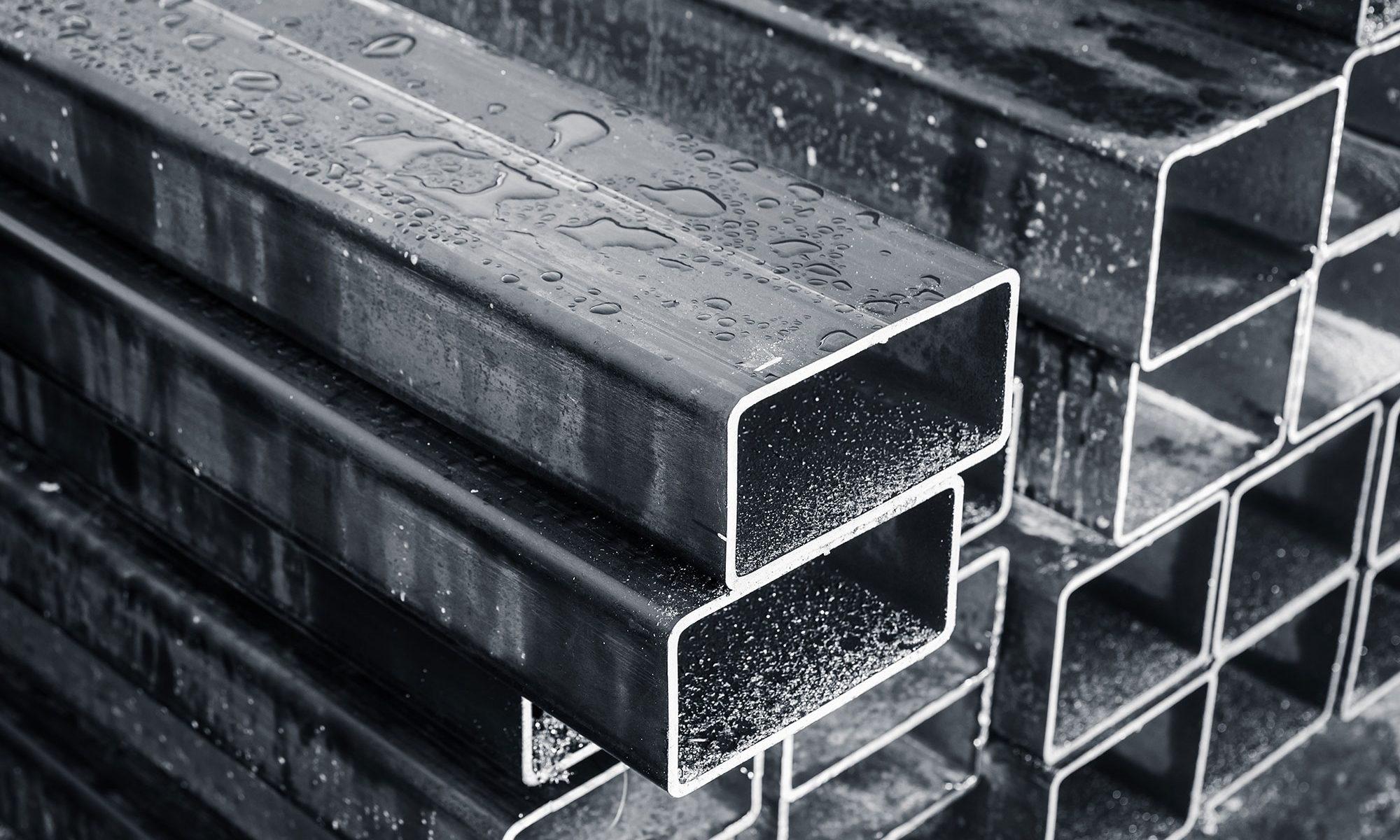
One of the big selling points of mild steel ERW tubes is they offer impressive ductility. As a result, you can adapt them in various ways for different applications. Most notably, you may be able to bend the tubing using a CNC bender to make an array of components. However, you need to be careful or you could end up with lots of scrap. We want to have a closer look here to help you determine if you can successfully bend your tube.
Grades
 The first thing you need to do is think about the tubing you are using. Mild steel is the general name for low carbon alloys. In fact, they get the name for this very reason, offering strength without issues with brittleness.
What you need to remember though is there are actually many grades of mild steel. They can differ massively when you consider key properties like strength and workability. This makes them suitable for numerous applications, including structural, automotive, fasteners, furniture, and machine parts. But, it has an impact on the bending. Make sure you look at the specific grade you are using and determine if you will be able to bend it effectively.
The shape
You also need to think about the shape of the tube. ERW tubes are fantastic because you can choose round, oval, square, or rectangle. However, you may have issues bending some shapes with a CNC bender. Most machines base bending on using round tubing, so it can be difficult to adapt non-round tubes.
The key thing to think about is the maximum outer diameter (OD) the machine can accommodate. Remember the max OD will be bigger with different shapes. For example, a 2in square tube would actually have a cross section of 2.83in. Therefore, if you have a CNC bender able to bend up to 2.0in round tube, you probably can’t bend the square tubing. The same goes for oval and rectangle tubes.
Thickness
Another thing to look at is how thick the tube wall is. As walls get thicker, you need more bending power from the CNC. Generally the documentation with your machine will tell you the maximum wall thickness it can bend. Consult this to determine if you’ll be able to create your parts.
A key thing to keep in mind here is, even if the CNC has sufficient power to deal with the wall thickness, you need to be careful. The thinner the wall of the ERW tubes, the higher the risk of deformation during bending. You may need additional tools for some jobs, such as a mandrel to support the walls.
Elongation
Bending tubes requires the material to stretch. So, if you’re using a grade of steel that does not elongate very well, it can lead to serious problems. Luckily, mild steel is generally excellent, able to offer as much as 30% elongation. Make sure you confirm this, ensuring the specific grade you are using will allow you to make the bend.
Machine specifics
Finally, you need to look at a number of the other features of the machine. For example, how much torque does it offer? Will it be sufficient to bend your tubing? What about the reach capacity? Will it be enough to allow loading and unloading? What about the clearance?
Speak to us and order exceptional ERW tubes
As you can see, there is a lot to think about if you are designing bent parts. If you want to avoid issues, including wasting time and money on scrap, think carefully about your designs, the tubing, and the CNC machine you will use.
One of the best things you can do is ensure you start off with high quality ERW tubes. You can order them from us, choosing from a range of shapes and sizes. We even offer finishing such as galvanisation. However, if you do want galvanised tubes, think about bending; there is a risk of damaging the coating.
So, get in touch with Union Steel Tubes today if you want great tubing. We’re happy to offer advice too if you need any help.